

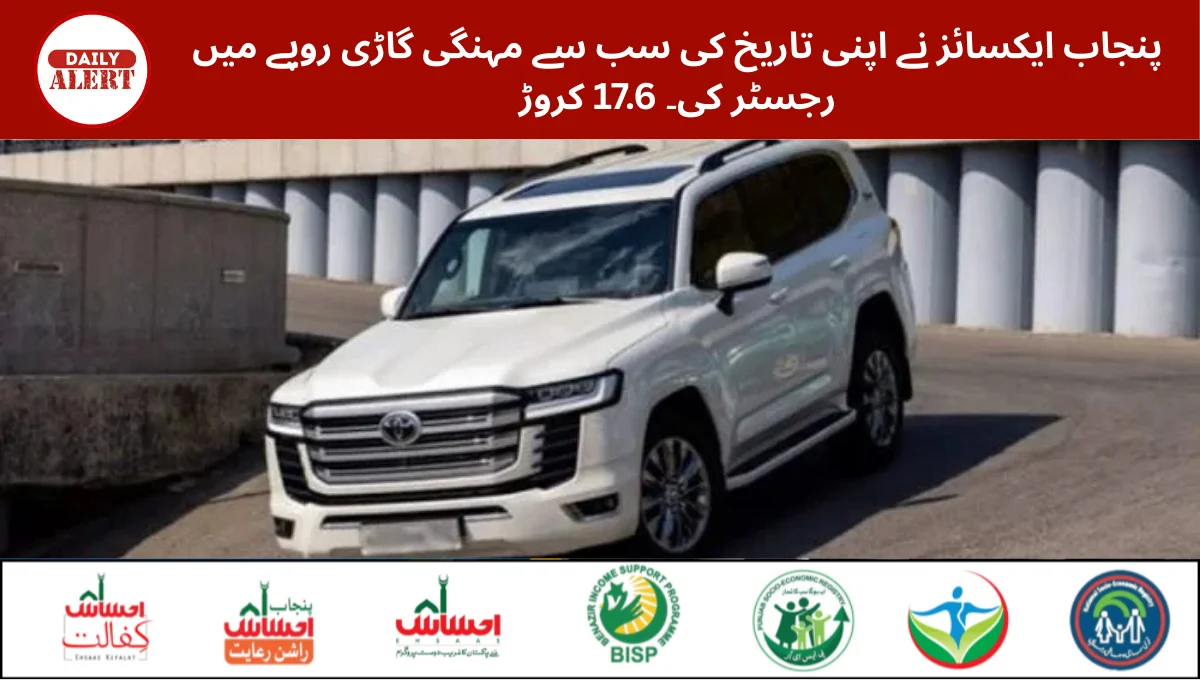
Punjab’s Excise and Taxation Department has created headlines by registering the most expensive vehicle in the state’s history—a luxury automobile valued at a staggering Rs. 17.6 crores. The registration has sparked public curiosity and debate, drawing attention to high-end imports, revenue collection, and the luxury car market within Punjab. This groundbreaking registration not only sets a new record but also signals shifting dynamics in vehicle ownership and taxation in the region.
A Record-Breaking Registration: Facts and Figures
Punjab’s excise authority recently completed the registration of a vehicle that stands as the costliest ever recorded in the state. Valued at Rs. 17.6 crores, the car far surpasses previous high-value registrations, indicating heightened wealth activity and demand for ultra-luxury vehicles.
The registration process involved standard valuation methods used by excise officials, who relied on importer declarations, manufacturer’s invoice, and current foreign exchange rates. In addition to the vehicle’s import value, applicable import duties, transportation expenses, and other relevant levies were factored into its final valuation. This method ensures an accurate assessment for tax and registration purposes, reinforcing the transparency and fairness in state excise procedures.
Background: Rising Demand for Ultra-Luxury Vehicles in Punjab
Punjab, traditionally known for its agricultural economy, has seen an increase in affluent buyers entering the luxury vehicle market. Factors such as remittances from overseas, business growth, and an emerging culture of high-end lifestyle have fueled demand for exotic imports.
Until now, the most expensive locally registered vehicles in the state ranged between several crore rupees. This new record, at Rs. 17.6 crores, marks a significant leap. It reflects not only an evolving buyer demographic but also changing consumption patterns—where exclusivity, brand heritage, and bespoke engineering are highly valued.
Implications for Revenue and Policy
From a revenue perspective, this record registration is beneficial for state finances. High-value vehicles attract higher registration fees and taxes, directly contributing to Punjab’s exchequer. The excise department benefits from this increase in revenue, which can ultimately support infrastructure, public services, or social projects.
On the policy front, such a significant registration raises questions about regulatory controls and checks. Authorities may need to re-evaluate valuation benchmarks to guard against misreporting or under-invoicing, which can distort revenue figures. Striking a balance between encouraging legitimate luxury purchases and preventing misuse of tax structures will be essential.
Analysis: What This Means for the Luxury Car Ecosystem
Demand Signals and Market Trends
The Rs. 17.6-crore registration is a clear indicator of a niche but growing luxury vehicle segment in Punjab. Dealers and importers might interpret this as a sign of increasing market potential, spurring them to bring in more exotic models—such as hypercars, limited-edition supercars, and ultra-exclusive brands.
Public Perception and Media Attention
This development is certain to attract media spotlight and public attention. While many will view it as a symbol of success and modern aspiration, others may raise concerns about economic disparities or prioritize public welfare spending. The narrative surrounding luxury and social responsibility may become a discussion point.
Administrative Preparedness
Moving forward, the excise department may enhance procedural transparency, upgrade valuation techniques, and train officials to handle high-value vehicle registrations more rigorously. Ensuring that such extraordinary registrations are conducted with accuracy and accountability will be key to maintaining public trust.
Conclusion and Future Outlook
The unprecedented registration of a Rs. 17.6-crore vehicle by Punjab’s Excise Department is both a milestone and a marker of evolving economic and social dynamics. It reflects a growing appetite for luxury among a certain segment of buyers, while also offering new revenue prospects for the state.
Looking ahead, authorities will likely bolster regulatory frameworks around high-value imports, ensuring valuations remain fair and transparent. The luxury car market may expand further, with more high-end registrations to come. How the public narrative around wealth, equity, and public benefit evolves will influence both policy decisions and market responses in the months ahead.
Also Read More: Pakistan, China Sign $8.5 Billion MoUs as PM Shehbaz Launches CPEC 2.0 in Beijing